1. INTRODUCTION TO LOW TEMPERATURE COOKING
1.1 The Growing Popularity of Low Temperature Methods
Low temperature cooking has grown from a niche method used by professional chefs into a mainstream culinary practice embraced by home cooks, food scientists, and nutrition-conscious families. The steady, gentle application of heat brings out the natural flavor characteristics of food while preserving tenderness, moisture, and nutritional value. Many modern kitchens now feature appliances specifically designed to support this method because it delivers predictable, consistent results with minimal oversight.
1.2 Why Gentle Heat Produces Better Results
A major appeal of low temperature techniques is the level of control they offer. Instead of battling fluctuating heat waves in a hot oven or managing a pan on high flame, this method allows the cook to work with temperatures carefully maintained within a narrow range. The reduced risk of burning or overcooking makes it ideal for dense roasts, delicate proteins, and even infused oils. Whether preparing beef, poultry, or vegetables, the results tend to be reliable and flavorful.
1.3 Cultural History of Low Temperature Cooking
Many cultures have used forms of low temperature cooking throughout history, even before modern appliances existed. Traditional methods such as clay-pot cooking, underground pit ovens, and slow simmering stews mimic the same gentle heat principles. These time-tested approaches demonstrate that slow and steady cooking produces the most tender, flavorful, and nourishing meals. Modern technology now offers the ability to replicate those ancient techniques with even greater precision and consistency.
1.4 The Science Behind Low Temperature Techniques
Science also plays a major role in explaining why low temperature cooking works so effectively. Food scientists have documented how proteins denature at specific temperatures, how collagen transforms into gelatin, and how moisture migrates through different food structures. Understanding these chemical processes helps cooks appreciate why certain dishes turn out exceptionally well when prepared slowly.
1.5 Nutritional Advantages of Low Heat
Additionally, slow heat preserves more nutrients. High temperatures can destroy vitamins sensitive to heat, such as vitamin C and certain B vitamins. By cooking gently, more of these nutrients remain intact, contributing to healthier meals. This is one reason low temperature cooking health benefits are often cited by nutritionists and dietitians.
1.6 Versatility Across Ingredients and Cooking Styles
Finally, the versatility of low temperature cooking makes it appealing for everyone from beginners to experts. It can be used for everything from ribs to roasts, fish to poultry, vegetables to cannabis-infused oils. Home cooks appreciate its simplicity, while professionals value its precision.
2. WHY LOW TEMPERATURE WORKS FOR TOUGHER CUTS
2.1 Collagen, Connective Tissue, and Slow Heat
Tougher cuts of meat contain high amounts of collagen, elastin, and connective tissue that require time and gentle heat to break down properly. When exposed to high temperatures, these tissues contract rapidly, giving the meat a firm, chewy texture that never truly softens.
2.2 The Transformation of Collagen to Gelatin
Collagen begins to convert into gelatin when heated gradually between 160°F and 205°F. This transformation requires hours of sustained low heat. When this process happens correctly, the gelatin enriches the surrounding liquid, thickens sauces, and adds a silky mouthfeel.
2.3 Moisture Retention in Tough Cuts
At lower temperatures, moisture escapes more slowly. This allows juices to circulate within the meat instead of being pushed out. As a result, the final product is significantly more tender and flavorful.
2.4 Flavor Absorption During Long Cooking Times
Longer cooking times also allow flavors to develop fully. Tougher cuts benefit from extended exposure to aromatics and seasoning. This produces rich, layered flavor.
2.5 Why High Heat Fails on Tough Meat
High temperatures cause muscle fibers to contract aggressively, forcing moisture out. Low heat avoids this and gives collagen ample time to melt.
2.6 Predictability and Consistency of Slow Cooking
With low heat, cooking becomes predictable. A brisket cooked at 225°F for 10–14 hours almost always turns out tender.
2.7 Application to Popular Cuts
This principle applies to prime rib, chuck roast, brisket, ribeye roasts, and even poultry.
3. LOW TEMPERATURE COOKING MACHINES & TOOLS
3.1 Slow Cookers
Slow cookers remain the most accessible low temperature cooking machine. Their “low” setting typically operates at 180–200°F, ideal for long cooking.
3.2 Crock Pots
Crock pots feature ceramic inserts and steady heat. Many cooks search: “What temperature does a crock pot cook at on low?” because accuracy affects tenderness.
3.3 Sous-Vide Circulators
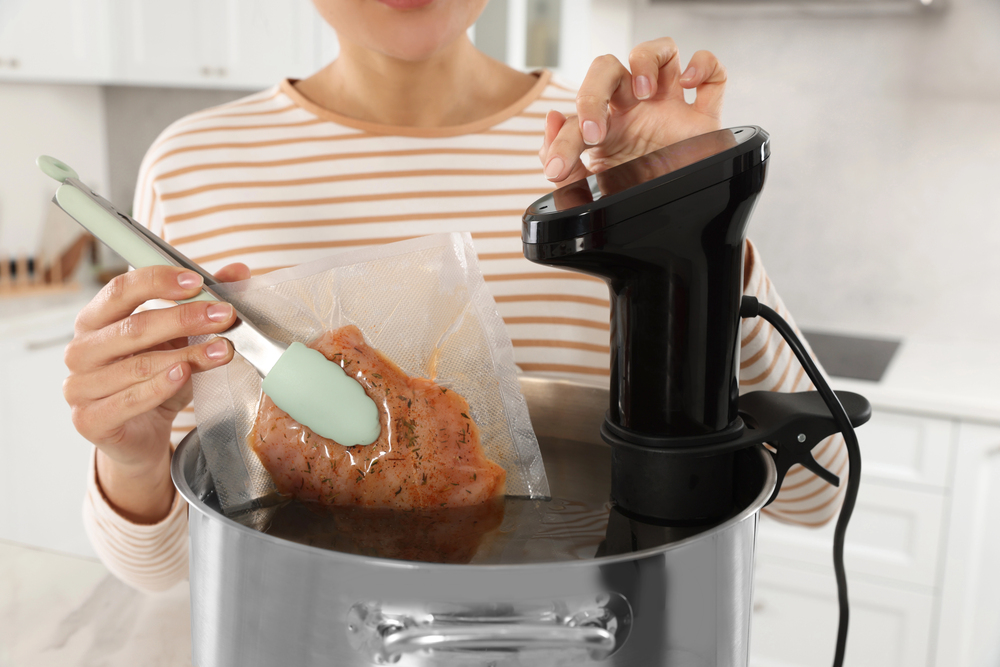
Sous-vide provides unmatched precision, often within ±0.1°F. Food cooks in vacuum-sealed bags submerged in temperature-controlled water.
3.4 Combi Ovens & Steam Ovens
Commercial kitchens use combi ovens for humidity-controlled low temperature cooking.
3.5 Multicookers & Electric Pressure Cookers
Many models now offer sous-vide modes or keep-warm temperatures ideal for low temperature cooking.
3.6 Cannabis Oil Infusion Tools
Low temperature cannabis oil cooking requires keeping oils between 160–220°F to avoid cannabinoid degradation.
3.7 Dutch Ovens
Cast-iron Dutch ovens maintain slow, even heat, closely mimicking traditional slow-cooking techniques.
3.8 Outdoor Low Temperature Tools
Smokers, pellet grills, and charcoal pits maintain temperatures between 180–275°F for slow cooking with smoke infusion.
4. UNDERSTANDING CROCK POT LOW TEMPERATURE SETTINGS
4.1 What “Low” Means
Most crock pots and slow cookers cook at 180–200°F on low.
4.2 Why This Range Matters
Below 170°F is unsafe; above 212°F dries out food. The 180–200°F range keeps food safe while slowly tenderizing meat.
4.3 Low vs High Settings
Both high and low eventually reach similar maximum temperatures, but low warms up more gradually, which benefits tough cuts.
4.4 Why Crock Pots Excel at Tender Cuts
They create a moist, enclosed environment that encourages collagen breakdown.
4.5 Use for Cannabis Oil
Their stable temperature makes them suitable for cannabis oil infusion.
4.6 Moisture Retention
Crock pots trap steam under a sealed lid, creating a natural self-basting environment.
4.7 Heat Stability
Consistent temperature makes crock pots ideal for unattended cooking.
5. USING LOW TEMPERATURE COOKING FOR BEEF
5.1 Why Beef Thrives Under Gentle Heat
Beef becomes tender when heated slowly because muscle fibers relax instead of contracting violently.
5.2 Lean Cuts
Eye round and top round benefit especially from low temperature to avoid dryness.
5.3 Slow Roasting for Even Doneness
Slow roasting prevents the outer portions from overcooking while the center catches up gradually.
5.4 Prime Rib and Ribeye
Cooking prime rib roast at low temperature avoids the gray ring and ensures uniform pinkness.
5.5 Large Roast Timing
A 7.5-pound ribeye roast may need 5–7 hours at 225°F; a 4-pound roast may need 3–4 hours.
5.6 Braising Cuts
Brisket, chuck roast, shanks, and cheeks soften beautifully when cooked for long periods.
5.7 Flavor Development
Low heat encourages slow Maillard reactions and deeper flavor development.
5.8 Timing Flexibility
Beef cooked low and slow can remain in the oven longer without overcooking.
6. COOKING PORK LOIN AT LOW TEMPERATURE
6.1 Why Pork Loin Needs Low Heat
Pork loin is lean and dries quickly, making low cooking essential.
6.2 Ideal Temperatures
Cook pork loin around 200–225°F for the best moisture retention.
6.3 Moisture Retention
Gradual heat keeps juices inside the meat.
6.4 Flavor Infusion
Low heat allows herbs and aromatics to penetrate deeply.
7. COOKING FISH AT LOW TEMPERATURE
7.1 Delicate Protein Structure
Fish overcooks easily due to its fragile proteins.
7.2 Best Temperatures
Most fish cook beautifully between 120–150°F via sous-vide or gentle oven heat.
7.3 Benefits
Low heat prevents chalky textures and preserves flakiness.
7.4 Methods
Poaching, sous-vide, and low oven baking are ideal.
8. COOKING TURKEY SLOWLY
8.1 Size Challenges
Large whole turkeys often dry out when cooked quickly.
8.2 Even Doneness
Low heat cooks the turkey evenly from edge to center.
8.3 Temperature Range
Many cooks roast turkey between 225–250°F.
8.4 Moisture & Fat Rendering
Slow rendering enhances tenderness and juiciness.
9. CHICKEN AT LOW TEMPERATURE
9.1 Low vs High Heat
Low roasting produces juicier meat.
9.2 Why Low Heat Works
Moisture retention and slow collagen breakdown benefit chicken.
9.3 Crisping
A quick final blast of high heat crisps the skin.
10. LOW TEMPERATURE CANNABIS OIL COOKING
10.1 Cannabinoid Sensitivity
THC and CBD degrade above 250°F.
10.2 Correct Temperature
Maintain 160–220°F for infusion.
10.3 Preservation
Low heat protects potency and flavor.
11. RIB ROASTS AT LOW TEMPERATURE
11.1 Why It Works
Low heat ensures tenderness and uniformity.
11.2 No Gray Ring
Slow roasting eliminates overcooked edges.
11.3 Perfect Doneness
The entire roast remains pink and juicy.
12. LOW AND SLOW COOKING TEMPERATURE BASICS
12.1 Standard Range
180–275°F for most meats.
12.2 Why This Range Matters
Encourages collagen melting without drying.
12.3 Moisture Benefits
Juices stay inside instead of evaporating.
13. LOW TEMPERATURE COOKING METHODS OVERVIEW
13.1 Braising
Moist heat breaks down collagen.
13.2 Sous-Vide
Ultra-precise cooking ideal for delicate proteins.
13.3 Slow Roasting
Perfect for beef and poultry.
13.4 Confit, Simmering, Specialty Methods
Each uses controlled low heat for unique textures.
14. LOW TEMPERATURE COOKING AND HEALTH
14.1 Nutrient Preservation
Lower temperatures reduce vitamin loss.
14.2 Fewer Harmful Compounds
Less charring and oxidation.
14.3 Healthier Results
Ideal for people watching fat oxidation or nutrient degradation.
15. PRIME RIB TECHNIQUES
15.1 Temperature Control
Ensures consistent doneness.
15.2 Low Heat + High Heat Finish
Best combination for texture and crust.
15.3 Fat Rendering
Slow melting improves richness.
16. EYE ROUND TECHNIQUES
16.1 Challenges
Eye round dries easily.
16.2 Recommended Temperatures
Low roasting ensures tenderness.
16.3 Marinades
Help tenderize before slow cooking.
17. SLOW COOKER TEMPERATURE QUESTIONS
17.1 Most Common Questions
Including “What temperature does a slow cooker cook at on low?”
17.2 Standard Range
180–200°F.
17.3 Choosing Settings
Match cut type with proper temperature.
18. ROASTING WHOLE BIRDS SLOWLY
18.1 Benefits
Juicier breast meat and more tender legs.
18.2 Adjusting for Size
Larger birds require more time.
18.3 Moisture Retention
Slow heat reduces drying.
19. THE SCIENCE BEHIND LOW TEMPERATURE COOKING
19.1 Protein Denaturation
Occurs gradually at lower temperatures.
19.2 Collagen Breakdown
Transforms into gelatin over time.
19.3 Fat Rendering
Low heat melts fat evenly.
20. CONCLUSION AND FINAL GUIDANCE
20.1 Core Principles
Slow, steady heat creates tenderness.
20.2 Consistency
Low temperature cooking avoids unpredictable results.
20.3 Benefits Across All Foods
From beef to fish to turkey and oils.
20.4 Final Thoughts
Low temperature cooking is a science-backed, versatile, and highly effective method for home cooks and professionals.Low temperature cooking creates tender, flavorful dishes through gentle heat. Learn ideal temperatures, methods, tools, timing, and tips for perfect slow-cooked results.
Reference
-
Serious Eats – Low & Slow Cooking Science
https://www.seriouseats.com/techniques -
USDA Food Safety and Inspection Service – Safe Cooking Temperatures
https://www.fsis.usda.gov/food-safety -
Cooking for Engineers – Thermal Properties of Meat
https://www.cookingforengineers.com/article/43/ -
Modernist Cuisine – Low Temperature Cooking Principles
https://modernistcuisine.com/ -
Harold McGee – On Food and Cooking (Food Science Resource)
https://www.haroldmcgee.com/ - National Center for Home Food Preservation – Slow Cooking Guidance
https://nchfp.uga.edu/