Cooking techniques form the backbone of every cuisine and every dish you prepare. Whether you’re learning to cook for the first time or looking to sharpen your culinary skills, understanding common, foundational, and advanced cooking techniques will transform the way you use ingredients and design meals. This pillar page explores the essential methods used in kitchens around the world, explains how they differ, and helps you select the right technique for the right food. With clearer knowledge and practice, cooking becomes more intuitive, enjoyable, and creative.
Understanding the Purpose of Cooking Techniques
Every cooking technique serves a specific purpose: developing flavor, changing texture, increasing tenderness, ensuring food safety, or creating a desired appearance. Techniques also influence nutrition, cooking time, and even cultural identity. Learning to match the technique with the ingredient is essential for producing consistent and delicious results.
Some techniques rely on dry heat, others on moist heat, and many use combinations of the two. Some methods enhance browning and the Maillard reaction; others preserve moisture and tenderness. By understanding what a technique does, you gain control over your dish instead of relying on guesswork.
Dry-Heat Cooking Techniques
Dry-heat cooking uses hot air, fat, or direct heat without the use of water or liquid. These methods are ideal for browning, crisping, and intensifying flavors.
Roasting
Roasting uses dry heat in an oven, usually between 300°F and 450°F. Foods such as vegetables, poultry, and meats develop a caramelized outer layer while remaining tender inside. Roasting enhances natural sweetness and creates depth of flavor. Rotating or basting foods helps ensure even cooking.
Baking
Baking is similar to roasting but typically used for doughs, batters, and delicate foods. Heat surrounds the item, causing it to rise or firm up. Bread, cakes, pastries, casseroles, and even some seafood are baked. Temperature consistency is crucial; sudden changes can affect structure and texture.
Grilling
Grilling exposes food to direct heat from below. The high temperatures—often reaching over 600°F—produce smoky char lines and a bold flavor. Grilling works well for meats, vegetables, fruit, and even pizzas. Proper preheating ensures faster searing and prevents sticking.
Broiling
Broiling is the inverse of grilling: heat comes from above. It is perfect for quickly caramelizing, melting, or crisping surfaces. Fish, vegetables, and thin cuts of meat brown rapidly under a broiler. Because broiling is intense, keeping a close watch prevents burning.
Sautéing
In sautéing, food cooks quickly over medium-high heat in a small amount of fat. Vegetables, thin meats, and aromatics soften and brown without steaming. Sautéing requires frequent movement of ingredients to avoid sticking and to ensure even cooking.
Stir-Frying
A core technique in Asian cuisine, stir-frying cooks bite-sized ingredients rapidly over very high heat. A wok is traditionally used because of its sloped sides and heat retention. Ingredients are added in layers based on cooking time, maintaining crispness and vibrant color.
Pan-Frying
Pan-frying uses more fat than sautéing but less than deep frying. Foods such as cutlets, fritters, tofu, and patties brown on the outside while cooking through gently inside. Oil temperature control prevents greasiness.
Deep-Frying
Deep-frying submerges food completely in hot oil, typically between 350°F and 375°F. When the oil is at the right temperature, food cooks quickly and develops a crisp outer coating. French fries, tempura, donuts, and fried chicken are popular examples. Too low a temperature results in oily food; too high causes burning.
Moist-Heat Cooking Techniques
Moist-heat cooking uses water, broth, steam, or other liquids to soften ingredients, develop tenderness, and gently enhance flavors. These methods are effective for tougher cuts of meat, grains, legumes, and delicate proteins.
Boiling
Boiling cooks food rapidly in bubbling water at 212°F. Pasta, vegetables, eggs, and grains often start with boiling. Because boiling can leach nutrients, some foods benefit from shorter cooking times or using the cooking liquid in soups or sauces.
Simmering
Simmering cooks food in liquid at a gentler temperature, usually between 185°F and 205°F. This method creates more controlled results than boiling and is ideal for soups, stews, sauces, and braised dishes. Simmering prevents proteins from tightening too quickly and becoming tough.
Poaching
Poaching gently cooks delicate items in liquid kept just below a simmer. Fish, eggs, fruit, and chicken breasts remain tender and moist. Aromatic herbs, wine, citrus, or broth can infuse subtle flavor.
Steaming
Steaming cooks food using vapor rather than direct water contact. Vegetables, dumplings, seafood, and grains maintain more nutrients and retain their natural flavors. Steaming prevents added fats and produces light, clean dishes.
Braising
Braising combines dry and moist heat: foods are first seared and then slowly cooked in liquid. Tough cuts of meat, root vegetables, and hearty greens break down into tender, flavorful dishes. Braising intensifies richness and allows complex seasoning development.
Stewing
Stewing is similar to braising but uses smaller food pieces that fully submerge in liquid. Slow, gentle cooking transforms tougher ingredients into thick, savory meals such as chili, curry, and beef stew.
Combination Cooking Techniques
Combination techniques incorporate both dry and moist heat to build flavor, tenderize ingredients, or create textural contrast.
Pressure Cooking
A sealed pressure cooker traps steam, increasing both temperature and pressure. Foods cook significantly faster than with traditional simmering or stewing. Beans, grains, meats, and soups benefit from pressure cooking’s efficiency.
Sous Vide
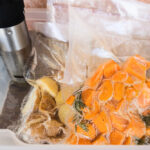
Sous vide cooking places food in vacuum-sealed bags and submerges it in a precisely controlled water bath. This technique ensures even, consistent cooking and perfect doneness. After the bath, foods are often finished with a quick sear for flavor.
Slow Cooking
Slow cookers use low, steady heat over many hours. This hands-off technique is especially useful for stews, shredded meats, legumes, and casseroles. Slow cooking brings out warmth and depth in comfort foods.
Understanding Heat Control in Cooking
Heat control is one of the most important culinary skills. Mastering it requires recognizing temperature differences, adjusting burner settings, and monitoring ingredients as they change.
High Heat
Used for searing, grilling, stir-frying, and browning. High heat initiates the Maillard reaction, creating flavor and texture.
Medium Heat
Ideal for sautéing, simmering, and pan-frying. Medium heat gives control without burning.
Low Heat
Used for poaching, slow cooking, melting, and keeping dishes warm. Foods cook gently, reducing the risk of overcooking or toughening.
Knowing when to adjust heat allows you to influence flavor, moisture, and doneness.
Knife Techniques and Preparation Methods
Cooking techniques extend beyond heat. How you cut ingredients affects cooking time, texture, and presentation.
Chopping and Dicing
Uniform cubes or pieces ensure even cooking. Small dice works for sauces and salsas; large dice suit stews and roasted vegetables.
Slicing
Thin or thick slices modify texture. Sliced vegetables caramelize differently from chopped ones.
Julienne and Batonnet
Julienne produces matchstick-thin strips; batonnet produces thicker sticks. These cuts are essential for salads, garnishes, and stir-fries.
Mincing
Finely minced aromatics like garlic or herbs release stronger flavors that distribute throughout the dish.
Crushing and Smashing
Used for garlic, ginger, lemongrass, or spices. Crushing releases oils and enhances aroma instantly.
Building Flavor Through Layering Techniques
Cooks develop deeper flavors by layering techniques instead of relying on a single method.
Browning Before Simmering
Searing meat before simmering in sauces develops richness and color.
Deglazing
After sautéing or searing, adding wine or broth lifts browned bits from the pan, creating the foundation for flavorful sauces.
Reductions
Simmering liquids until they thicken intensifies flavor. Reducing wine, stock, balsamic vinegar, or cream creates concentrated sauces.
Marinating
Marinades tenderize meats and add flavor before cooking. Acidic ingredients such as citrus, vinegar, or yogurt break down fibers gently.
Techniques for Enhancing Texture
Texture influences how a dish feels and how flavors are perceived.
Searing
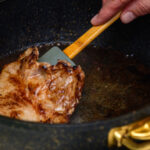
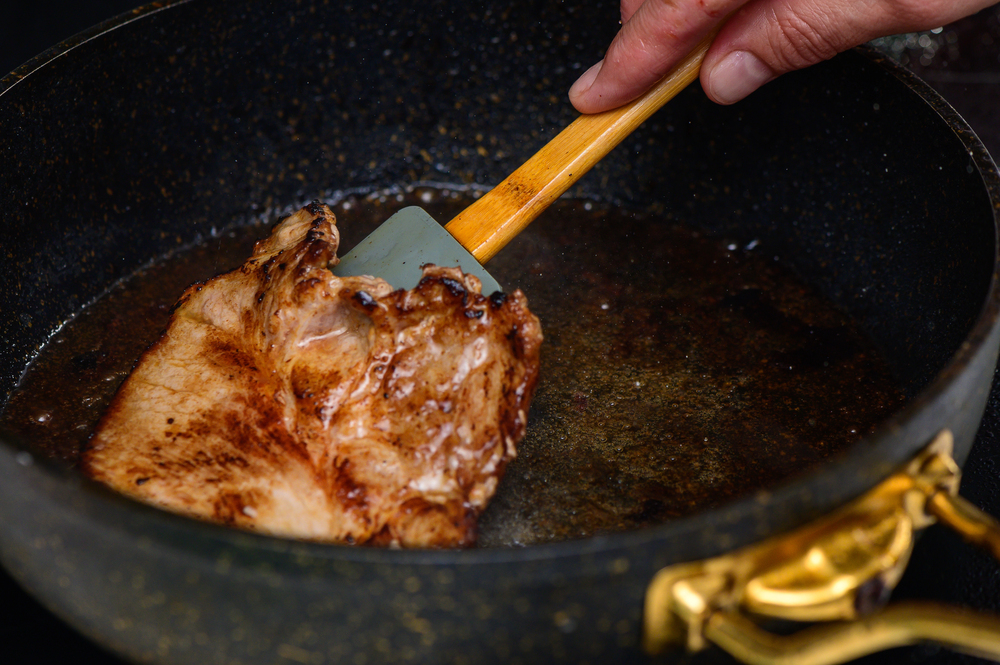
High-heat searing creates a crust without fully cooking the center. Steaks, scallops, and roasts benefit from searing before finishing by another method.
Blanching and Shocking
Blanching quickly cooks vegetables in boiling water; shocking plunges them into ice water to stop cooking. This preserves color, crunch, and nutrients.
Whipping and Folding
Whipping incorporates air into cream, eggs, or batters. Folding gently preserves air bubbles for light, fluffy textures.
Emulsifying
Techniques like whisking oil into vinegar or blending egg yolks with butter create stable mixtures essential for vinaigrettes, mayonnaise, hollandaise, and sauces.
Choosing the Right Technique for Each Ingredient
Selecting the best cooking method depends on moisture content, fat content, texture, and desired result.
Vegetables
• Roasting brings caramelization
• Steaming preserves nutrients
• Stir-frying keeps crunch
• Boiling softens quickly
Meat and Poultry
• Grilling adds smoky char
• Braising softens tough cuts
• Roasting creates crispy skin
• Sous vide ensures precise doneness
Fish and Seafood
• Poaching keeps delicate fish moist
• Grilling adds bold flavor
• Steaming maintains structure
• Pan-searing gives crisp skin
Grains and Legumes
• Simmering ensures even absorption
• Pressure cooking reduces time
• Baking creates casseroles and pilafs
Learning to match technique with ingredient quality elevates your cooking dramatically.
Advanced Cooking Techniques for Experienced Cooks
Once you master foundational methods, advanced techniques broaden your creativity.
Caramelization and Maillard Reaction
Caramelization focuses on sugars; the Maillard reaction affects proteins and sugars. Both create deep, savory flavors and golden-brown surfaces.
Confit
Low-temperature cooking in fat preserves meat such as duck or pork. Confit yields tender, richly flavored results.
Curing and Smoking
Curing removes moisture using salt or sugar. Smoking infuses flavor using burning wood. Both techniques preserve and enhance food.
Fermentation
Fermentation transforms ingredients through beneficial bacteria or yeast. Kimchi, yogurt, sourdough, and pickles rely on controlled fermentation.
Foam and Molecular Techniques
Modern cooking sometimes incorporates emulsifiers, stabilizers, and foams to create unique textures and presentations.
How to Practice and Build Confidence in Cooking Techniques
Mastery comes from repetition, observation, and curiosity.
-
Start with one technique at a time.
-
Cook familiar ingredients using different methods to compare results.
-
Taste continuously to understand how heat changes flavor.
-
Experiment with layering techniques for complexity.
-
Keep notes on temperature, timing, and ingredients.
Reference